

Ceramic friction ring is a key transmission and sealing component in ceramic vacuum filters, mainly responsible for power transmission, vacuum sealing, and wear-resistant support functions. Its performance directly affects the stability and service life of the equipment.
In the ceramic vacuum filter system, ceramic friction rings (also known as "staggered discs" or "friction plates") are usually used in conjunction with distribution heads to form a dynamic sealing structure. It continuously rotates in an alternating environment of vacuum and atmospheric pressure, ensuring independent operation of vacuum zones for processes such as slurry suction, drying, and unloading, and preventing a decrease in vacuum degree due to gas leakage.
Core functions and working characteristics:
Dynamic sealing effect
The friction ring rotates in contact with the stationary distribution head, forming a sealed barrier between the vacuum zone and the atmospheric zone, maintaining the stability of the system vacuum degree (up to -0.098MPa), and avoiding energy consumption increase or filtration efficiency decrease caused by air leakage.
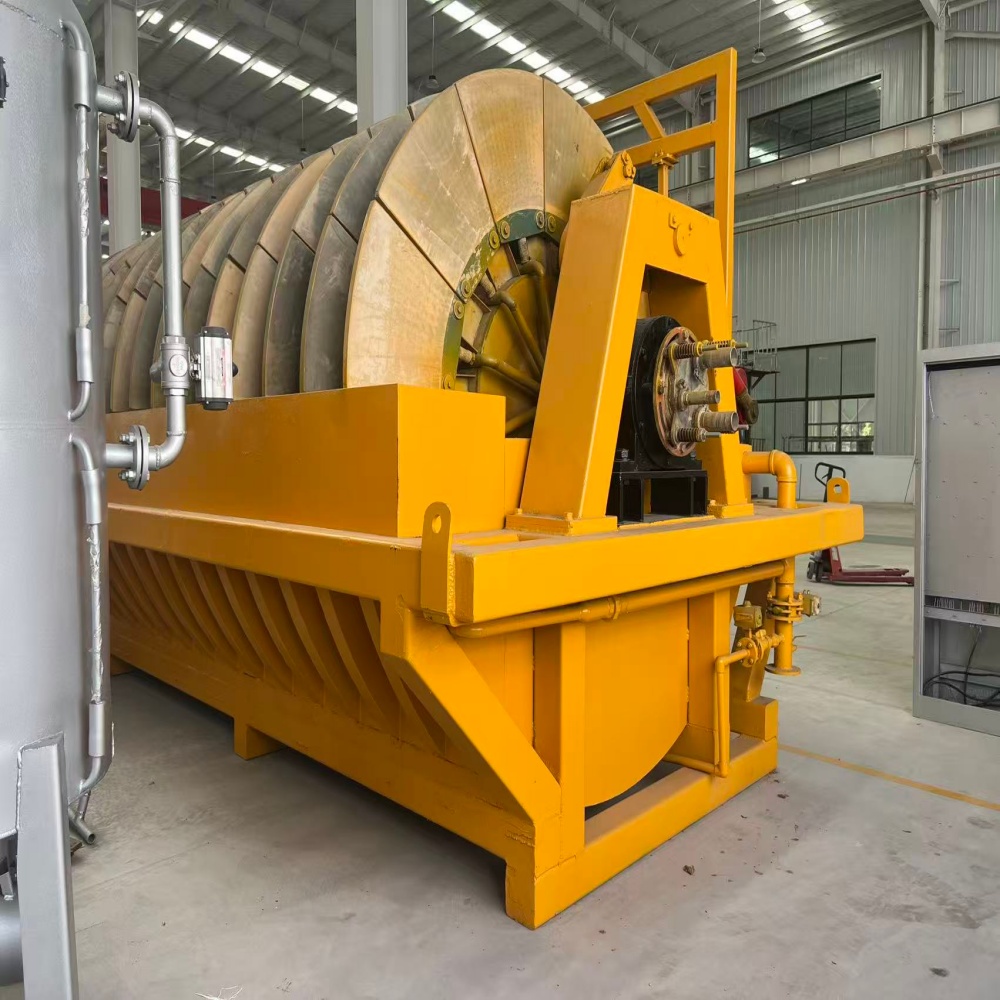
Wear resistant and impact resistant, suitable for high load conditions
Made of 99% high-purity alumina or silicon carbide ceramic materials, it has high hardness (Vickers hardness HV1000 or above), low friction coefficient (0.2-0.4), and excellent wear resistance. It can withstand high-frequency sliding friction for a long time and has a service life of up to 2-3 years.
Strong corrosion resistance
Capable of withstanding corrosion from acids, alkalis, and organic solvents, suitable for harsh working conditions such as mining, metallurgy, and chemical engineering, especially for handling corrosive slurries containing chloride ions, sulfates, etc.
Precise coordination ensures smooth operation
High processing accuracy, concentricity up to 0.003mm, surface smoothness Ra ≤ 0.03, ensuring uniform contact with the grinding parts, reducing local wear and vibration, and improving the reliability of the entire machine operation.